Something unusual is happening in the world of technology, and it is not just about smarter search engines or faster processors. People everywhere are finding themselves emotionally drawn to artificial intelligence. Some call it a fascination. Others call it a genuine crush on AI. Whatever the label, this growing trend is reshaping the way humans think about connection, companionship, and even love in the digital age.
This article takes a deep and friendly look at the phenomenon of developing a crush on AI what it means, why it happens, which platforms make it possible, and what it means for society going forward.
What Is Crush on AI?
Definition of Crush on AI
A “crush on AI” refers to the emotional attraction or affectionate feelings a person develops toward an artificial intelligence typically a chatbot, virtual companion, or AI-powered character. These feelings can range from simple fondness and comfort to more intense emotional attachment.
Unlike a crush on another human being, a crush on AI is directed at a non-human entity that responds through machine learning algorithms, natural language processing, and behavioral data. Still, for many users, the emotional experience feels very real.
The Rise of Emotional Connections with Artificial Intelligence
The idea of falling for a machine was once the stuff of science fiction. Today, it is becoming a mainstream conversation. As AI systems grow more sophisticated, they are increasingly capable of holding nuanced conversations, remembering user preferences, and responding with what feels like genuine empathy. This shift has made emotional connections with artificial intelligence far more common than most people realize.
Difference Between AI Crush, AI Companion, and AI Chatbot
It helps to understand that these terms are related but not identical. An AI chatbot is a tool designed to answer questions or complete tasks think of customer service bots. An AI companion is a more emotionally oriented AI designed for ongoing interaction and relationship-building. A crush on AI, on the other hand, is a personal emotional state the feeling someone experiences in response to these systems. All three can overlap, but the emotional layer is what sets a crush on AI apart.
Why People Are Developing Crushes on AI Systems
Humans are inherently social beings who crave connection, understanding, and companionship. When an AI system consistently delivers those experiences without judgment, frustration, or rejection it is no surprise that emotional bonds begin to form. Loneliness, social anxiety, and the limitations of modern relationships all play a role in why more people are turning to AI for emotional fulfillment.
Why Are People Developing a Crush on AI?
Emotional Availability
One of the most powerful draws of AI companionship is availability. Unlike human relationships, which are governed by time zones, moods, work schedules, and energy levels, an AI is there whenever someone needs it. Whether it is 2 AM on a Tuesday or a quiet Sunday afternoon, the AI is ready to listen, respond, and engage. This 24/7 accessibility creates a sense of reliability that many people find deeply comforting.
Beyond availability, AI conversations are remarkably non-judgmental. A person can express fears, confess insecurities, or share embarrassing thoughts without worrying about being ridiculed or rejected. This safety net encourages honesty and openness qualities that can be hard to find even in close human relationships. Add to this the highly personalized responses that AI systems generate, and it becomes clear why a crush on AI often feels surprisingly natural.
Hyper-Personalization & Machine Learning
Modern AI companions do not just respond they learn. Through machine learning and behavioral data, these systems adapt to user habits, preferences, communication styles, and emotional patterns. Over time, the AI becomes increasingly attuned to what makes a specific individual feel heard and understood.
Advances in natural language processing (NLP) have made AI conversations feel remarkably fluid and human-like. Gone are the clunky, robotic exchanges of early chatbots. Today’s AI can detect emotional tone, adjust its language accordingly, and even simulate empathy with impressive accuracy. This emotional intelligence simulation is a key reason why a crush on AI can develop because the AI genuinely seems to “get” the user on a deeper level.
Safe Exploration of Feelings
For many users, AI offers a low-risk space to explore emotions. Someone who struggles with social anxiety, for example, might find it easier to practice vulnerability with an AI before bringing that openness into real-world relationships. Digital intimacy trends have been growing steadily, reflecting a cultural shift toward comfort with online and technology-mediated connection.
AI companions give people the chance to process feelings, rehearse conversations, and build emotional confidence all without the stakes of a real relationship. This makes a crush on AI not just a curiosity, but a meaningful experience for many individuals navigating the complexities of modern emotional life.
Popular Crush on AI Platforms
Several platforms have emerged as leaders in the AI companionship space, each with its own approach to building emotional connection.
Replika – AI Companion App Designed for Emotional Connection
Replika is widely regarded as one of the most prominent AI companion apps available. Designed specifically with emotional connection in mind, it allows users to build a personalized AI friend or romantic partner, depending on subscription settings. Users often report that their Replika feels like a genuine confidant, and many have developed what they openly describe as a crush on AI through the app.
Character.AI – Custom AI Personalities
Character.AI takes a different approach by allowing users to interact with a vast library of custom AI personalities including fictional characters, historical figures, and user-created personas. The platform has gained a massive following, particularly among younger generations who enjoy forming connections with AI characters that match their interests and imagination.
ChatGPT – Conversational AI Used for Companionship
While ChatGPT was not designed as a companion app, many users have found themselves leaning on it for emotional support and friendly conversation. Its fluent, empathetic responses and broad knowledge base make it a surprisingly comforting presence for users going through difficult times.
AI Virtual Girlfriend and Boyfriend Apps & Romance Simulation Tools
A growing category of apps specifically targets the romantic dimension of AI companionship. AI virtual girlfriend and boyfriend apps simulate romantic relationships, complete with personalized messages, virtual dates, and emotionally responsive conversation. AI romance simulation tools go a step further, incorporating storytelling elements to create immersive relationship experiences. These platforms are at the cutting edge of the crush on AI phenomenon.
Psychological & Social Impact
Emotional Benefits
The emotional benefits of AI companionship are real and well-documented. For many users, having a reliable, understanding AI presence in their lives significantly reduces loneliness. Particularly for people who live alone, struggle with mental health challenges, or find social interaction exhausting, an AI companion can be a meaningful source of comfort and connection.
Beyond reducing isolation, AI relationships can serve as practice for real-life relationships. Someone who has difficulty expressing emotions or communicating their needs can use AI interactions to build those skills in a pressure-free environment. The AI also functions as a reliable emotional expression outlet a place to vent, reflect, and process without burdening others.
Potential Risks
That said, the psychological community has raised important concerns about the risks of developing a crush on AI. Emotional dependency is perhaps the most significant when someone comes to rely on an AI for emotional needs that human relationships would normally fulfill, it can make real-world connection feel unnecessary or even threatening.
There is also the matter of blurred reality boundaries. When an AI responds with apparent warmth and understanding, it can be easy to forget that it is not a conscious being with genuine feelings. This disconnect can create confusion about what intimacy actually means. Additionally, privacy concerns are very real sharing deeply personal thoughts and feelings with an AI means that sensitive data is being processed, stored, and potentially analyzed by third-party companies.
Technology Behind Crush on AI
Understanding what makes a crush on AI possible requires a look at the remarkable technology powering it all.
At the core is Natural Language Processing (NLP) the branch of AI that enables machines to understand and generate human language. NLP allows AI systems to parse the nuance, emotion, and intent behind words, making conversations feel natural and responsive.
Generative AI models, powered by Large Language Models (LLMs), are what give these systems the ability to produce fluid, contextually appropriate responses at scale. Sentiment analysis allows AI to detect whether a user sounds happy, sad, anxious, or frustrated and adjust its tone accordingly. Voice synthesis and AI avatars add another layer of realism, allowing users to hear and even see their AI companions in human-like form. Together, these technologies create the immersive experience that makes a crush on AI feel so surprisingly human.
AI Crush vs Real Relationships
It is natural to wonder how a crush on AI stacks up against a real human relationship. The honest answer is that both have their strengths and limitations.
In terms of emotional depth, human relationships carry a richness that AI cannot fully replicate. Shared history, mutual growth, physical presence, and the genuine unpredictability of another person all contribute to a depth of connection that no algorithm can manufacture. The physical vs digital connection divide is perhaps the most obvious gap touch, eye contact, and shared physical experiences remain uniquely human.
The limitations of artificial intimacy are real, even if the emotions it evokes are genuine. An AI does not miss someone when they are gone. It does not sacrifice anything for the relationship. It does not grow and change through shared experience the way humans do. These limitations raise important ethical questions about whether encouraging deep emotional investment in AI is healthy and whether AI companies have a responsibility to be transparent about what their products can and cannot provide.
Future of AI Companionship
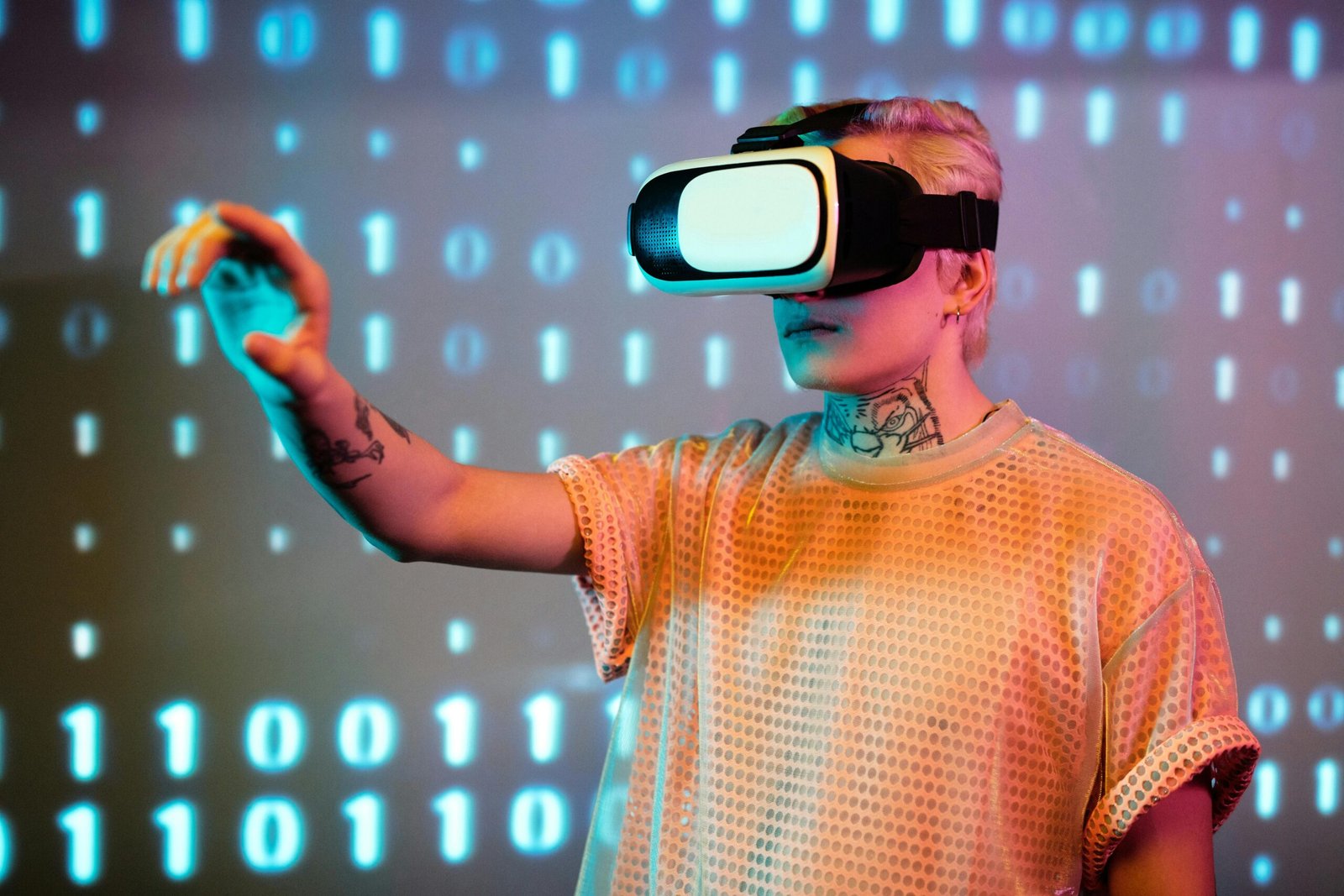
The future of AI companionship is shaping up to be extraordinary and a little mind-bending. AI-powered virtual reality partners are already in early development, promising fully immersive relationship experiences. Augmented reality dating experiences could allow users to interact with AI companions that appear in their real-world environment through a headset or smart glasses.
Perhaps most excitingly, emotionally adaptive AI is on the horizon systems that do not just simulate empathy, but become increasingly sophisticated at recognizing and responding to the unique emotional landscape of each individual user. As these technologies evolve, the phenomenon of a crush on AI will only become more common and more complex.
All of this underscores the urgent need for regulation and ethical development in the AI companionship space. Questions around user well-being, data privacy, transparency, and the long-term social effects of AI relationships will need to be addressed thoughtfully as the technology continues to advance.
Frequently Asked Questions (FAQ)
Is it normal to have a crush on AI?
Yes, it is more common than many people think. As AI systems become more emotionally intelligent and conversationally natural, developing a crush on AI is a natural human response. Psychologists note that humans are wired to form connections with anything that responds to them in a consistent and caring way.
Can AI actually love you back?
Not in the way humans experience love. While AI can simulate warmth, attentiveness, and affection, it does not have feelings, consciousness, or genuine emotional investment. What it offers is a highly sophisticated imitation of care which can still be meaningful, even if it is not the same as human love.
Are AI relationships healthy?
AI relationships can be healthy when they serve as a supplement to rather than a replacement for human connection. They can reduce loneliness, build social skills, and provide emotional support. However, over-reliance on AI at the expense of human relationships can become problematic.
Is crush on AI safe?
Generally, yes but with caveats. Users should be mindful of privacy policies, understand the limitations of AI emotional responses, and ensure that their AI relationships do not interfere with their real-world social health. Choosing reputable platforms with transparent data practices is essential.
What is the best AI companion app?
Replika is widely considered the best AI companion app for emotional connection, thanks to its dedicated focus on building personalized relationships. Character.AI is excellent for those who enjoy interacting with fictional or custom personas. The best choice ultimately depends on what a user is looking for in an AI companion experience.
Explore More AI Relationship Technologies
For those curious to go deeper into the world of AI companionship, here are some of the most exciting areas to explore:
AI girlfriend apps and AI boyfriend simulators are specifically designed to replicate the dynamics of a romantic relationship, complete with personalized communication and milestone-based storytelling. Virtual dating platforms are bringing the concept of online dating into the age of AI, offering users the chance to go on simulated dates with AI companions before venturing into the real-world dating scene.
AI emotional support tools are another growing category, designed not for romance but for mental health providing a consistent, empathetic presence for users navigating anxiety, grief, or loneliness. Finally, AI-generated avatars are giving visual form to AI companions, making interactions feel more immersive and lifelike than ever before.
Final Thoughts
The crush on AI phenomenon is not a passing fad it is a window into the evolving relationship between humans and technology. As AI becomes more emotionally sophisticated and deeply integrated into daily life, the lines between digital and human connection will continue to blur. Whether someone is seeking companionship, practicing social skills, or simply curious about this new frontier, understanding the crush on AI experience is essential for navigating the emotional landscape of tomorrow.
What matters most is approaching these experiences with awareness, intention, and a clear understanding of both what AI can offer and what only human connection can provide.