Introduction
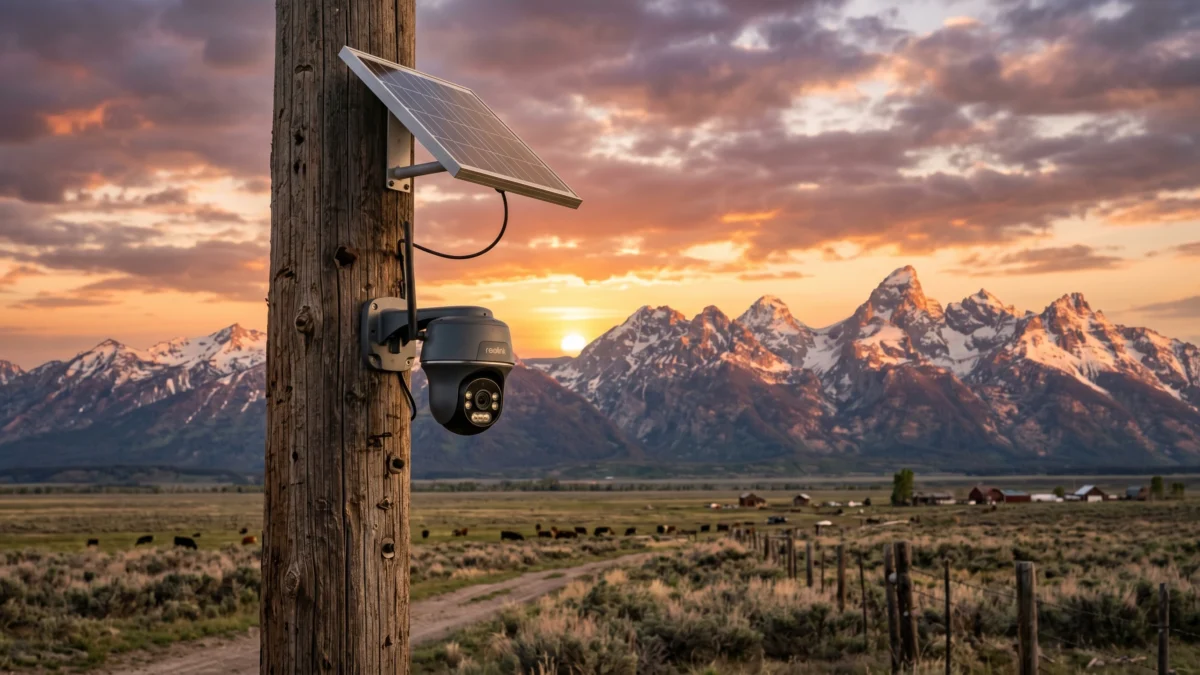
When installing a security camera, selecting the ideal location is crucial, whether it’s a remote gate, a detached garage, a rural property, or a construction site located far from urban infrastructure. However, a common challenge arises when there is no Wi-Fi or Ethernet access in these locations, leaving you with just the open sky. This is exactly where the best LTE security cameras earn their keep.
If you’re looking for convenient security options, cellular security cameras might be just what you need! Unlike traditional cameras that depend on home networks, these cameras connect using the same 4G or 5G LTE signals as your smartphone. That means no need for routers, signal extenders, or complicated setups. You can enjoy reliable video surveillance wherever there’s a cell signal—and in the United States, that covers a huge portion of the country!
In this friendly guide, we’ll explore what makes a great LTE camera stand out from the rest. We’ll focus on the features that really count when you’re outdoors, helping you choose the perfect model for your needs—whether it’s keeping an eye on a sprawling 50-acre farm in Montana or watching over your cosy vacation cabin in the Smoky Mountains. Let’s find the right fit for your situation together!
What Makes an LTE Security Camera Different From a Wi-Fi Camera?
The core difference is simple: a Wi-Fi camera needs your home network; an LTE camera needs a SIM card.
If you have a standard Wi-Fi security camera, it connects to your router to upload footage via your home internet. However, if you place it too far from the router or in an area without network coverage, it won’t work effectively. On the flip side, an LTE security camera is pretty nifty! It uses a physical or embedded SIM card to connect directly to a cellular network, such as AT&T, T-Mobile, or Verizon. This means it can send video and motion alerts, and even support two-way audio, just like your phone does when it’s not on Wi-Fi. So, you can keep an eye on things anywhere you have cell service!
This distinction has some important practical consequences:
- Monthly data costs: Unlike Wi-Fi cameras, cellular cameras consume a data plan. Efficient cameras use motion-triggered recording and compressed video to keep this cost reasonable — usually between $5 and $25/month, depending on resolution and activity.
- True independence: A power outage that knocks out your router doesn’t affect a battery-powered LTE camera. For people in storm-prone states like Florida, Texas, and Louisiana, this redundancy matters.
- Coverage limitations: In truly remote areas — deep canyons, dense mountain regions — cell coverage may still be spotty. Checking carrier coverage maps before buying is a necessary step most buyers skip.
What to Look for in the Best Outdoor Cellular Security Camera
Shopping for an outdoor cellular security camera is different from buying an indoor cam. Outdoor deployment introduces problems that specs sheets don’t always make obvious. Here’s what actually matters:
Weather Resistance Rating (IP67 or Better)
When it comes to outdoor cameras, the ratings matter. An IP65 camera might be able to withstand a little rain, but if you want true reliability, you need to step it up to an IP67. Why? Because in places like Minnesota, where winter chills can plunge to -20°F and summer heat can soar to 95°F, a camera must be tough enough to take on whatever Mother Nature throws its way. If you’re planning to mount one on a fence post, make sure it can truly endure the elements! For authentic outdoor durability, an IP67 rating should be your bare minimum. Don’t settle for “weather resistant” buzzwords—choose a camera that’s built for the battle!
Battery Life and Solar Compatibility
Many LTE cameras are designed to be battery-powered, making them ideal for locations where installing power lines is impractical. However, the actual battery life can be quite surprising. For instance, a camera that boasts a “six months” lifespan under ideal conditions might last only about six weeks in a high-traffic area like a bustling driveway, where motion triggers are constantly activated. It’s a real eye-opener that underscores the importance of understanding how these devices perform in real-world scenarios!
Solar panel compatibility truly transforms the possibilities for long-term deployments! Imagine having a compact 5–6-watt solar panel paired with the perfect camera—this dynamic duo can create a system that operates continuously without ever needing a recharge. As long as it basks in two to three hours of sunlight each day, you’re set for endless power. It’s a game-changer for sustainable technology!
Video Resolution and Night Vision
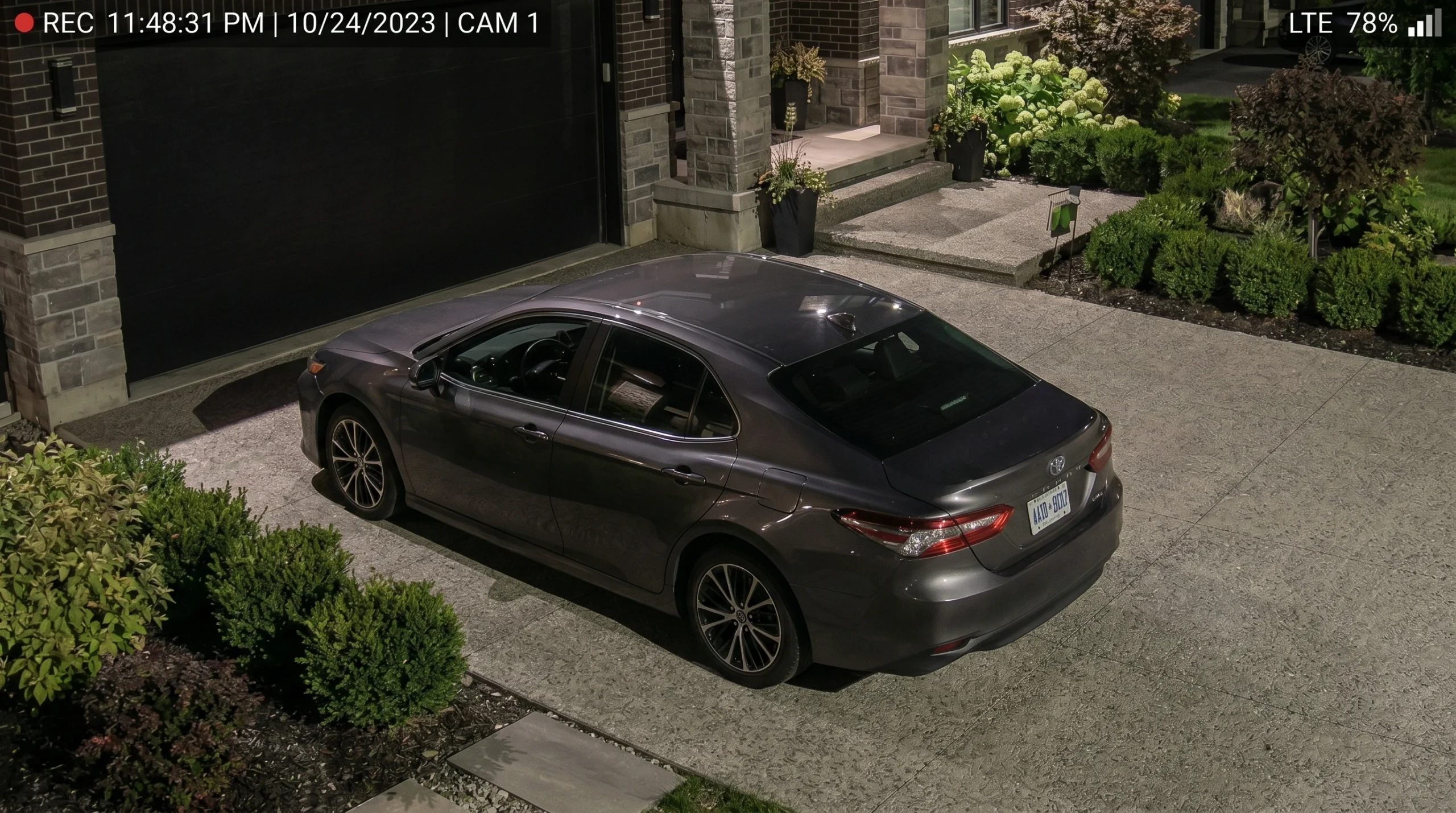
When it comes to outdoor surveillance, 1080p is your reliable starting point. However, if you want to capture those fine details—like a license plate or a face from afar—2K resolution really shines. And let’s not forget about night vision! Opt for true infrared (IR) LEDs or, even better, full-colour night vision, often referred to as “colour night vision” or “starlight” sensors. These advanced technologies can provide clear, usable footage in very low light, without the typical green wash that makes everything look dull. Make sure you’re equipped for every situation!
Motion Detection Quality
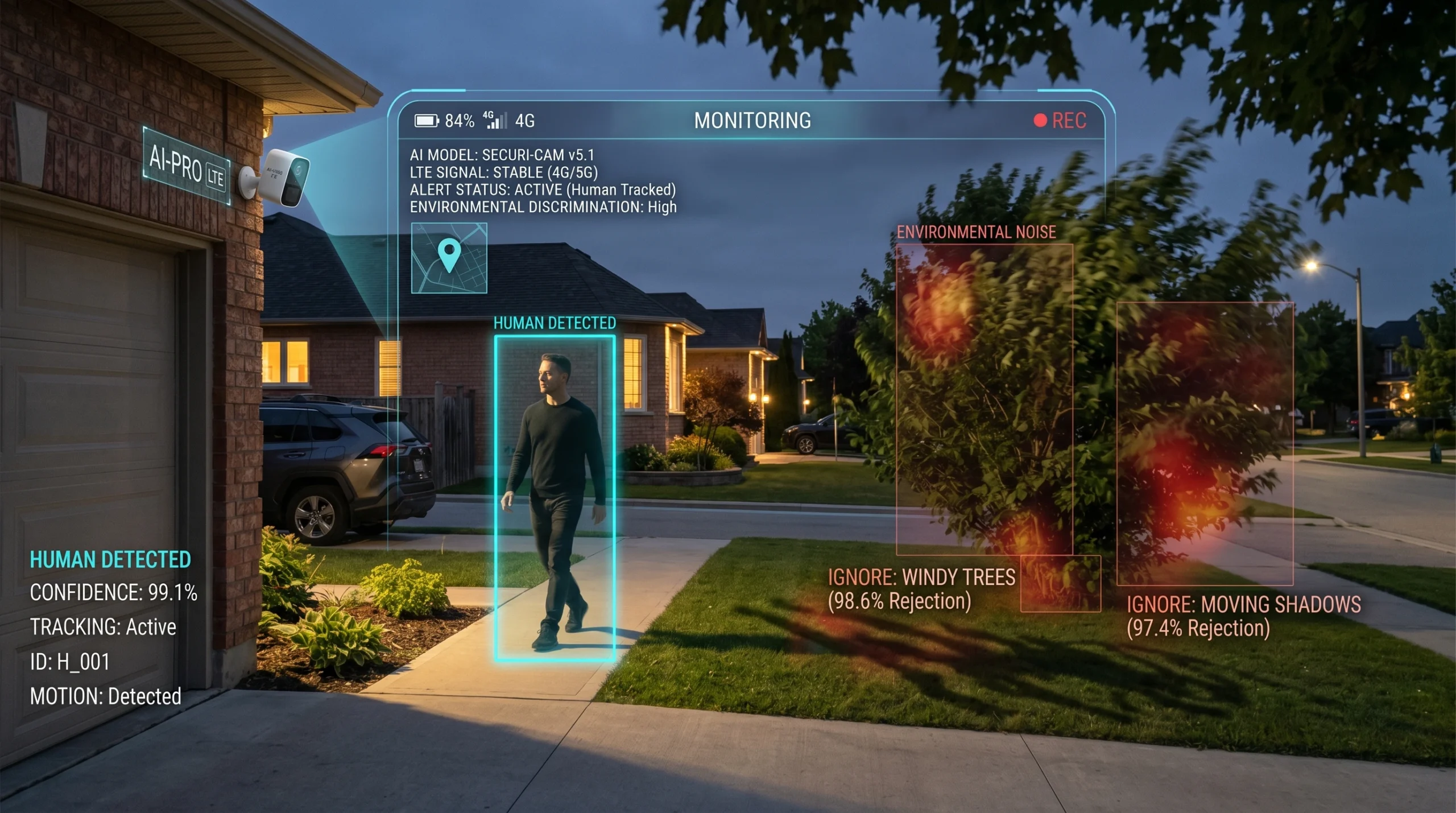
When choosing a security camera, not all options are equally user-friendly! The more affordable models tend to get a bit carried away, sending alerts for every passing car, shadow, and even those playful leaves fluttering by. This can really drain your battery and gobble up your data plan. But don’t worry! Upgrading to cameras with AI-powered person or vehicle detection can help cut down on those pesky false alerts, making your life a whole lot easier. Plus, some of the higher-end models let you set up custom detection zones, so that a busy road in the background won’t keep triggering recordings every half minute. With the right camera, you can stay attentive to what truly matters without all the unnecessary distractions!
Two-Way Audio and Remote Access
This is less critical for remote rural cameras but very useful for property entrances and delivery monitoring. Looking for a genuinely usable app — a beautiful camera paired with a terrible app is a frustrating combination.
Quick Picks: Best LTE Security Cameras Worth Considering
Searching for a reliable LTE security camera? Check out these top choices! Whether you need a durable outdoor camera for your farm, a solar-powered setup for a remote cabin, or a smart motion-detection camera for everyday security, these trusted models have you covered. Find the perfect fit for your needs!
- Best Overall LTE Security Camera
- Best Solar-Powered Cellular Camera
- Best Budget 4G Security Camera
- Best LTE Camera for Construction Sites
Check the links below to compare features, pricing, battery life, and carrier compatibility before making your final choice.
SEHMUA 4G LTE Cellular Solar Security Camera Wireless Outdoor 👉 Check Price on Amazon
eufy 4G LTE 4K Cellular Solar Security Cameras Wireless Outdoor 👉 Check Price on Amazon
Solar Security Cameras Wireless Outdoor, 2K Pan/Tilt 360° View 👉 Check Price on Amazon
TACTACAM – Defend 360 Cellular Security Camera, 1080p Video 👉 Check Price on Amazon
4G Wireless Security Camera vs 5G: Does It Matter Yet?
Most 4G wireless security cameras use LTE (4G) connectivity, which is more than enough for their purpose. Security cameras do not need fast upload speeds; they need reliable connections that can send a few megabytes of compressed video whenever motion is detected.
While 5G-connected security cameras are available, they remain relatively niche and often come with higher data plan costs. For most consumers in 2026, a reliable 4G LTE camera is likely a more suitable option. The relevance of 5G will increase as carrier infrastructure improves and data plan pricing becomes more competitive.
It’s also essential to explore specialised IoT or connected device plans that some carriers offer, as these can be more affordable than traditional smartphone data plans. For example, T-Mobile has IoT plans that may provide significant savings, especially for those looking to deploy multiple cameras across a property. Considering these options can lead to substantial cost reductions.
Key Features That Separate Good LTE Cameras From Mediocre Ones
After testing many cellular cameras in real-world settings, some features stand out. We tested them on rural properties, construction sites, and vacation homes. These features separate the cameras we recommend from those that people often return:
Local storage backup. A camera that stores clips only on the cloud is vulnerable to data plan failures. The best LTE cameras offer a microSD card slot for local backup, so footage is never lost if connectivity drops.
Flexible data plan options. Some cameras lock you into proprietary data plans at a premium. Others accept any standard SIM card, giving you the freedom to choose the carrier with the best coverage in your area. This flexibility is worth prioritising.
Geofencing and activity schedules. These features let you automatically arm or disarm the camera based on the time of day or your location — reducing unnecessary recording, conserving battery power, and cutting data costs.
Tamper alerts. A good cellular camera should alert you if someone tries to block, move, or destroy it. This sounds obvious, but not all models include it.
Common Use Cases for LTE Security Cameras in the United States
Understanding where cellular cameras genuinely shine helps you decide whether one is right for your situation:
Rural and agricultural properties. Farms, ranches, and unimproved land in states such as Texas, Kansas, and Nebraska often lack the infrastructure needed for Wi-Fi cameras. An LTE camera mounted at a gate or barn entrance offers peace of mind without needing an internet service upgrade.
Construction sites. Job sites are always buzzing with activity, but often lack reliable internet connections. That’s where a tough 4G wireless security camera on a temporary mount comes in handy. It’s an easy and effective way to keep an eye on things. Many construction companies are using them to track project progress and prevent equipment theft.
Vacation and seasonal homes. If you have a cosy mountain cabin or a charming lake house that sits empty for a while, keeping an eye on it can be a bit tricky, especially if you don’t want to deal with a year-round internet subscription. A great solution is a solar-powered LTE camera! It sends you motion alerts, so you can stay in the loop, all without the hassle of maintaining a cable or DSL account at your property. Enjoy peace of mind knowing your getaway is secure!
Apartment and condo common areas. In some multi-family buildings, internal Wi-Fi connectivity can be inconsistent, particularly in areas like parking structures or loading docks. Installing cellular cameras in these locations can effectively bypass the building’s Wi-Fi network, ensuring reliable surveillance and monitoring without relying on potentially weak internal connections.
Backup surveillance systems. Many households, even those equipped with high-quality Wi-Fi systems, choose to install LTE cameras as a secondary option. This is especially common in hurricane-prone regions along the Gulf Coast, where power and internet outages frequently occur during storms. Having an LTE camera ensures that homeowners can maintain surveillance even when traditional connectivity is lost.
How to Choose the Right Carrier for Your Cellular Security Camera
This step often poses challenges for numerous purchasers. While the camera selection is important, the choice of carrier is equally significant. The following presents a pragmatic approach:
- Check coverage maps before purchasing. Before installing your camera, check the coverage pages for AT&T, T-Mobile, and Verizon by entering your exact address. It’s always good to verify!
- Consider which carrier works in your area. In rural areas, Verizon usually has the best coverage overall. T-Mobile has invested heavily in expanding its 4G service in rural areas, but quality can vary widely by location. AT&T is kind of in the middle when it comes to coverage.
- Compare IoT and connected device plans. For users deploying IoT devices, a comprehensive smartphone data plan is often unnecessary. Numerous carriers offer IoT-specific data plans starting at 1GB per month for less than $10, which is typically adequate for a single surveillance camera with motion-activated recording.
- Check whether the camera is carrier-locked or SIM-free. Carrier-locked cameras limit functionality to a single network provider, often resulting in constraints on flexibility. In contrast, SIM-free cameras offer network neutrality, allowing users to switch providers in response to coverage deficiencies or pricing shifts without hardware changes.
FAQ: Cellular LTE Security Cameras
Q: Do LTE security cameras work without Wi-Fi?
Yes, completely. An LTE security camera uses a SIM card to connect to cellular networks, mirroring the functionality of a smartphone. This design eliminates the need for Wi-Fi, routers, or any home internet connections throughout its operation.
Q: How much data does a cellular security camera use per month?
The data consumption of surveillance cameras depends on several factors, including resolution, motion activity, and the frequency of live footage access. A typical 1080p camera employing motion-triggered recording generally consumes between 1GB and 5GB of bandwidth monthly under average conditions. However, cameras equipped with AI-driven motion detection use substantially less data because they minimise recording of non-essential alerts.
Q: Can I use a regular SIM card in a cellular security camera?
Many cameras accept a standard nano-SIM or micro-SIM from any carrier, giving you complete flexibility. However, some cameras use proprietary or embedded SIMs tied to the manufacturer’s data plan. Always verify before purchasing, especially if you need coverage from a specific carrier.
Q: Are LTE security cameras legal to use on private property in the United States?
Yes, using security cameras on your own private property is legal throughout the United States. Recording audio may be subject to additional state laws — particularly in two-party consent states like California, Florida, and Illinois — so it’s worth reviewing local regulations if your camera includes audio recording.
Q: What’s the difference between a 4G and LTE security camera?
Practically speaking, very little. LTE (Long-Term Evolution) is the technical standard that most people call “4G.” When a camera is marketed as a “4G wireless security camera,” it almost always means LTE. Both terms refer to the same generation of cellular connectivity.
Conclusion
An LTE security camera isn’t just a great option for places without Wi-Fi — it’s often the smarter pick for keeping an eye on outdoor areas and remote locations, no matter what other options you have. With the ability to monitor without relying on your home network, weather through router outages, and work well across most of the U.S. cellular coverage, these cameras are incredibly versatile and handy tools!
Selecting the optimal cellular security camera hinges on several factors, including the deployment environment, the level of motion activity typical for the location, the feasibility of integrating solar power, and the quality of signal provided by local carriers. Each of these variables is unique to individual circumstances, making it imperative to conduct a thorough assessment of specific requirements before purchase. This strategic approach can lead to significant cost savings and mitigate potential frustrations associated with suboptimal choices.