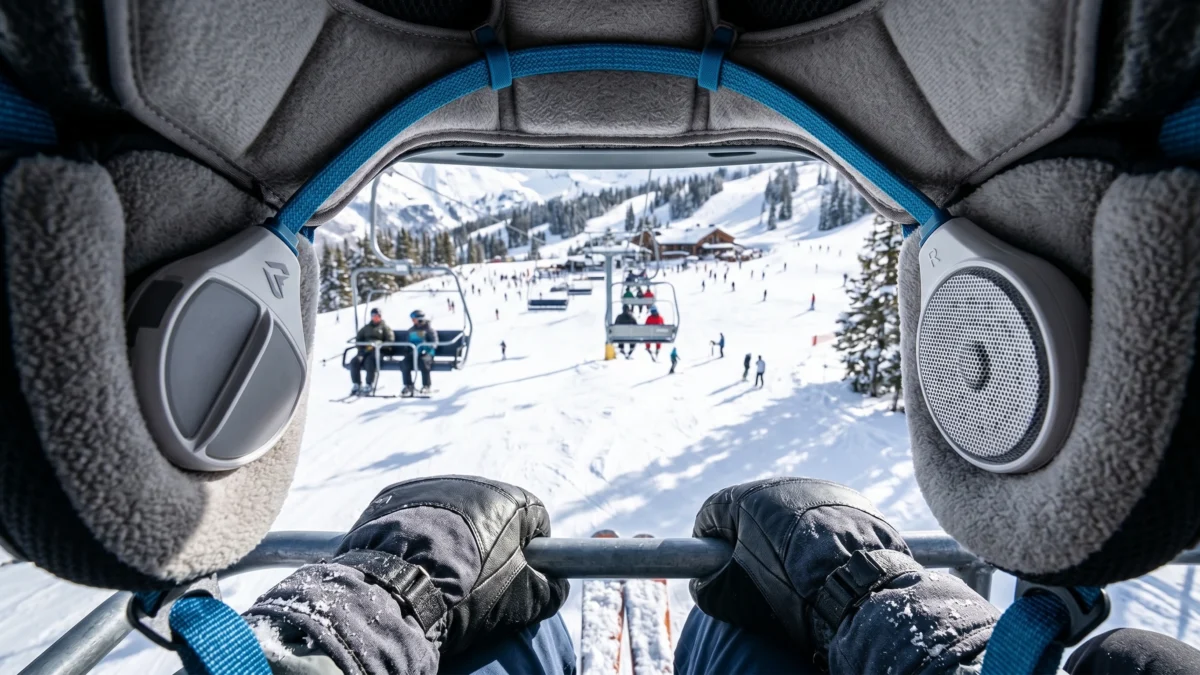
If you spend any amount of time on the mountain during the winter, you already know the struggle. You are sitting on a freezing chairlift, your hands are bundled up in thick gloves, and your phone starts ringing in your inner jacket pocket. Without a solid pair of ski helmet headphones, do you risk taking your gloves off, unzipping your jacket, and potentially dropping your smartphone off the lift just to see who is calling?
For years, this was the annoying reality for winter athletes. But recently, I made one of the best purchases for my winter gear setup: the Wildhorn Bluetooth Speakers (specifically the Alta model). I bought a pair for my wife and me, and honestly, it has completely changed how we experience the slopes.
If you are hunting for the best audio upgrade, you are in the right place. In this detailed Wildhorn Bluetooth speakers review, I will break down exactly how this ski helmet audio system works, why it beats regular wireless earbuds, and how it keeps you safely connected on the mountain.
Quick Verdict
Rating: 4.2/5
Best For: Casual Skiers, Snowboarders, Couples, Group Trips.
Not Ideal For: Audiophiles, Riders wanting a built-in intercom.
Why You Need Dedicated Bluetooth Speakers for Ski Helmet Use
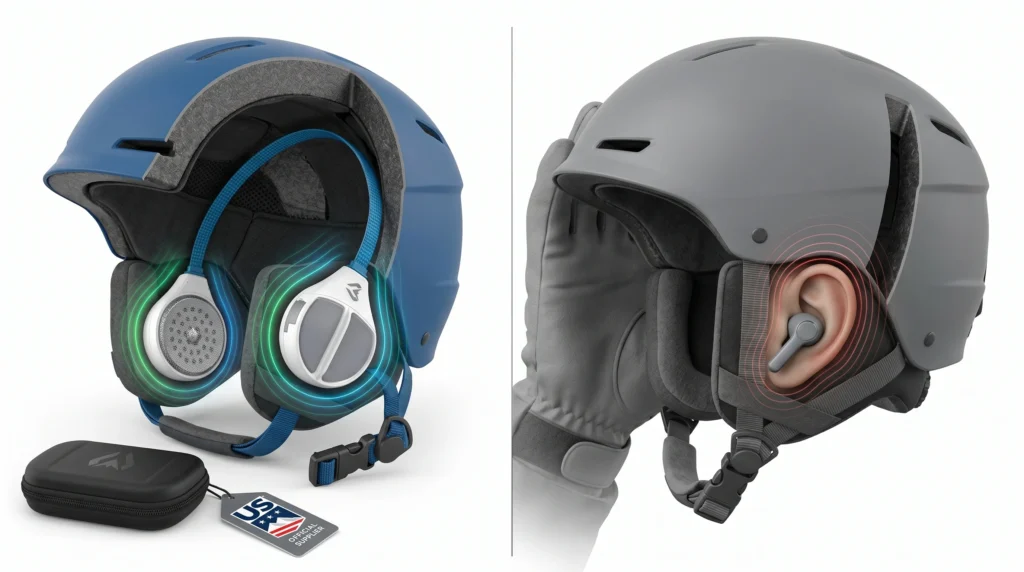
A lot of beginners think they can just shove regular earbuds under their helmets. Trust me, that is a recipe for disaster. Regular earbuds get crushed against your ears by the helmet’s dense safety padding, causing serious physical pain after just 30 minutes of riding. Plus, if you fall into deep snow while you take your helmet off for lunch, it is gone forever.
A proper pair of Bluetooth speakers for ski helmet use is a flat, purpose-built audio puck that slides directly into your helmet’s ear flaps. Upgrading to a dedicated system is an absolute game-changer for several reasons:
1. Seamless Group Coordination
Without a ski helmet communication system, trying to meet up means waiting at the bottom of a busy lift or constantly stopping to check your phone. With these drop-in speakers, you can easily call your riding partner and say, “Let’s meet up at this specific chairlift,” saving time and keeping your group together.
2. Emergency Safety
Heaven forbid you get injured on a remote part of the mountain. If you are strapped into your skis and in pain, digging through three layers of clothing to pull out a phone is incredibly difficult. With helmet speakers, you can activate Siri or Google Assistant with a push of a button and make an emergency call instantly without using your hands.
3. The Ultimate Flow State
Having a great playlist bumping right inside your helmet while carving down a fresh powder run is just an amazing feeling. It gets you into a rhythm and makes you feel 10 times better than you actually are.
Wildhorn Bluetooth Speakers Review: Specifications and Features
Before we dive into how they feel on the mountain, let’s look at the actual hardware. Wildhorn Outfitters designed these specifically for snow sports, and the spec sheet proves it.
Core Specifications Table
| Feature | Specification |
| Audio Drivers | 40mm Dynamic Drivers |
| Connectivity | Premium Bluetooth 5.0 Chipset |
| Battery Life | 10+ Hours (Tested at -4°F / -20°C) |
| Resistance Rating | IP45 (Water, Sweat, and Cold Resistant) |
| Control Layout | 3 Tactile, oversized glove-friendly buttons |
| Microphone | Built-in hands-free mic (Siri / Google Voice) |
| Compatibility | Fits 95% of audio-ready helmets (Smith, Giro, Oakley, etc.) |
Build Quality and Durability
Constructed from durable ABS plastic and featuring a rubber-coated connecting cord, these speakers are built to take a beating. The IP45 rating means they can handle heavy snow, sweat, and freezing moisture without shorting out.
Sound Quality: 40mm Drivers
For drop-in audio pucks, the sound is surprisingly rich. The 40mm drivers deliver balanced, high-definition sound with bass deep enough to keep your energy up on the slopes. While they won’t match a $400 pair of over-ear studio monitors, they are more than loud and punchy enough to cut through the sound of wind rushing past your helmet.
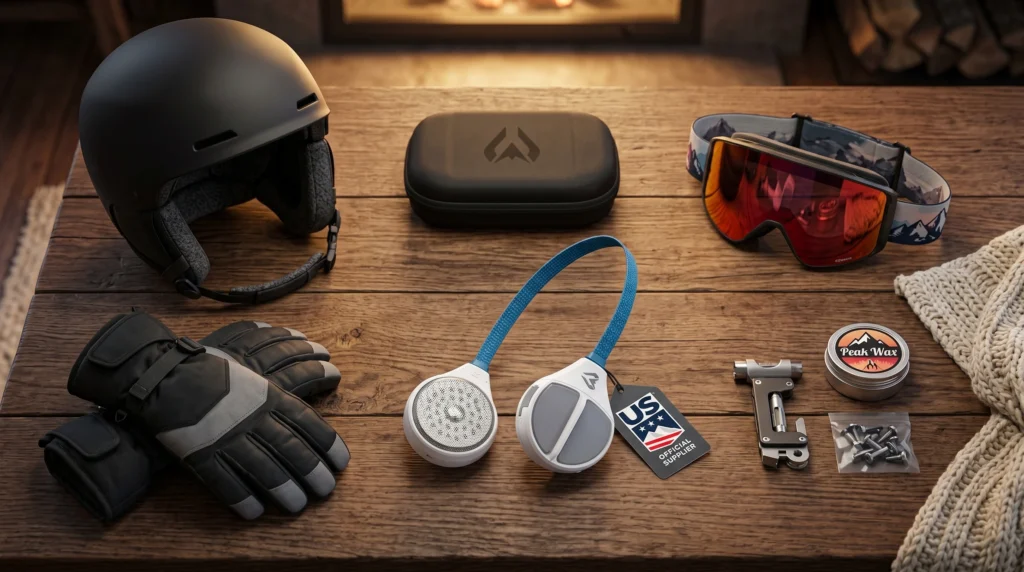
Installation: Dropping Them Into Your Helmet
Setting these up is completely hassle-free and requires zero tools. If you have an audio-compatible snow helmet, here is how you install it:
- Check the Ear Pads: Most modern ski and snowboard helmets have ear pads with a Velcro pouch or a bottom zipper.
- Remove the Foam: Inside those ear pads, you will usually find a round foam cutout. Remove that piece of foam. That space is specifically designed to house your new speakers.
- Drop Them In: Slide the Wildhorn speakers directly into the ear pad audio sleeves. Because you removed the foam, the speakers will sit flush and will not press painfully against your ears.
- Manage the Cable: The rubberized cable connecting the two speakers needs to be routed around the back side of your helmet liner.
Pro-Tip: I added a couple of small pieces of Velcro on the inside of my helmet liner. This keeps the connecting cable tucked up high, completely out of the way, and entirely invisible. Once they are installed, you can hardly even tell they are in there.
Hands-On Experience: Glove-Friendly Controls
One of the main reasons many riders consider these the best snowboard helmet speakers is the control layout. Touch-sensitive controls are completely useless in snow and moisture. Wildhorn smartly designed this system with actual, oversized, tactile buttons.
One side has a single large button, and the other side features two distinct buttons with a high ridge right in the center. Even with heavy, insulated ski mittens on, you can easily feel that ridge through the fabric of your helmet’s ear pad. You never have to guess what button your finger is resting on.
- To turn the volume up or down: Hold the button in the up or down position.
- To skip tracks: Push the button once to move your playlist forward.
Handling Phone Calls and Voice Assistants
The built-in microphone on this ski helmet communication system honestly surprised me. I expected it to sound muffled since it is hidden inside a helmet ear flap, but it picks up your voice incredibly well, even with moderate background wind on the slopes.
If you are riding the lift and want to make a call, the process is seamless. Just hit the main right button twice. You will hear a confirmation beep, and you can say, “Hey, call Bob.” The system initiates the call instantly. If someone calls you, you will hear the ringtone directly in your helmet, and a single button press answers it.
I also use this feature constantly just to check the time. I hit the button twice and ask, “Hey Siri, what time is it?” She tells me the time, and I keep right on skiing. The convenience of keeping your phone zipped securely in a warm pocket while maintaining full control over it is the biggest selling point of this device.
Battery Life & Connectivity in Freezing Temperatures
Dealing with dead batteries is a known issue for winter athletes. Cold weather naturally drains lithium-ion batteries at an accelerated rate. However, Wildhorn tested these speakers in extreme cold (-4°F / -20°C), and they hold up incredibly well throughout a full day of riding.
With over 10 hours of playtime on a single charge, you can ride from the first chair lift in the morning until the mountain closes, and still have juice left over.
On the side of one speaker, you will find the charging port with a built-in light indicator. When you get back to the lodge at the end of the day, it is really easy to pull the charging port slightly out of the ear pad and plug it in. Furthermore, thanks to the Bluetooth 5.0 chipset, the connection is rock solid. The system has memory recall, meaning every time you turn them on, they automatically find your phone and connect instantly.
Pros and Cons of the Wildhorn Ski Helmet Headphones
No product is perfect. To give you a completely honest review, here is a quick breakdown of where these shine and where they fall slightly short.
| 🟢 What We Loved (Pros) | 🔴 What Could Be Better (Cons) |
| Glove-Friendly: Raised buttons are extremely easy to use with heavy gloves | Charging Port: Uses micro-USB, which feels a bit outdated compared to USB-C |
| Voice Control: Crisp, clear microphone for Siri, Google Assistant, and calls | Wire Management: You have to manually route the connecting wire inside your helmet |
| Universal Fit: Fits seamlessly into 95% of audio-ready snow helmets | Bass Response: Good bass, but audiophiles might want deeper low-end frequencies |
| Battery: True all-day 10+ hour battery life even in freezing weather | |
| Safety: Keeps your hands free and your expensive phone safely zipped away |
Comparison: Wildhorn vs. Other Ski Helmet Communication Systems
How do the Wildhorn speakers compare to other popular options on the market?
Wildhorn Alta vs. Aleck Nunchucks. The Aleck Nunchucks offer a dedicated group chat app and an 18-hour battery life. Still, they are significantly more expensive and rely heavily on cell service for their push-to-talk features. The Wildhorn speakers offer a much better value for riders who just want solid audio and standard phone call capabilities without paying a premium.
Wildhorn Alta vs. Sena Snowtalk 2. The Sena system is great for independent intercom group chats (no cell service needed). Still, the 32mm speakers simply do not match the audio depth and bass of the Wildhorn’s 40mm drivers. If music quality is your priority, Wildhorn takes the lead.
Final Verdict: Are They the Best Snowboard Helmet Speakers?
To wrap up this review, purchasing the Wildhorn Bluetooth speakers was one of the smartest investments I have made for the mountain. If you are going to be vacationing with a spouse, family, or a group of friends, the ability to communicate easily is absolutely priceless.
These speakers take all the frustration out of coordinating meetups. You do not have to awkwardly pull out your phone, try not to drop it in the snow, and manage your gloves and ski poles while riding a wobbly ski lift. If a call comes through, you just push a button on your earpad. If you want to change a playlist, you just tap the helmet.
Between the massive boost in comfort, the safety of keeping your phone protected, and the pure joy of listening to your favorite tracks while carving down a mountain, they easily rank among the best ski helmet headphones on the market today. I highly recommend them to anyone looking to upgrade their winter riding experience.
🛒 Ready to upgrade? Buy the Wildhorn Bluetooth Speakers on Amazon Here
Frequently Asked Questions (FAQs)
Do these headphones fit in any helmet?
They fit in about 95% of modern ski and snowboard helmets. Look for helmets that advertise “audio-compatible ear pads.” Brands like Wildhorn, Smith, Giro, Oakley, K2, and Anon usually have zippered or Velcro slots specifically designed to hold these types of drop-in speakers.
Can I use them to talk to my group like walkie-talkies?
These operate via a standard Bluetooth connection to your smartphone. To talk to your group, you will need to place a standard phone call, use a VoIP app like WhatsApp, or use a ski-specific walkie-talkie app on your phone. As long as you have basic cell service on the mountain, you can communicate seamlessly.
Are they waterproof?
They have an IP45 resistance rating, meaning they are highly water-resistant and specifically designed to handle melting snow, sweat, and freezing temperatures. However, they are not fully waterproof, so you should not submerge them in water or leave your helmet sitting upside down in a puddle.
Is the audio loud enough while skiing fast?
Yes. Because they sit right against your ear, inside the helmet’s insulated ear pads, the audio is loud, punchy, and clear. The 40mm drivers easily cut through the sound of the wind rushing past your helmet as you ride.